When it comes to affordable plumbing repair Denver, understanding your bill is just as crucial as finding reliable and licensed plumbers near you. As a homeowner, being informed about the costs involved in maintaining your plumbing system allows you to make informed decisions, negotiate effectively, and avoid any unexpected financial surprises. This guide will walk you through everything you need to know about decoding your plumbing bill, ensuring you get the best value for your money when it comes to affordable plumbing services Denver CO.
Decoding Your Plumbing Bill: A Step-by-Step Guide
1. Understanding Labor Costs
The first component of any plumbing bill is labor costs, which cover the time spent by plumbers on various tasks. In Denver, these rates can vary depending on the complexity of the work and the expertise required. Here’s what to look for:
- Hourly Rates: Plumbers typically charge an hourly rate, and this can range from $50 to $200 per hour or more. The average rate in Denver hovers around $100-$150 per hour for licensed professionals.
- Travel Time: Many companies include a small charge for travel time, especially if the job location is far from their base. Understanding this policy ensures you’re not surprised by additional charges.
- Number of Plumbers: Some companies send out a team, while others dispatch a single plumber. More plumbers on-site usually mean higher labor costs.
2. Material and Supply Charges
Plumbing repairs often involve purchasing new parts or supplies. These are essential for fixing leaks, unclogging drains, or installing new fixtures. Here’s how to interpret these charges:
- Part Costs: The price of specific plumbing parts like pipes, fittings, valves, or toilets is transparent and should be clearly itemized. Compare prices from different suppliers to ensure you’re getting a fair deal.
- Supply Fees: Some companies may charge a small fee for supplying the necessary tools and equipment, especially if they need to rent specialized gear.
- Waste Disposal: If your repair involves removing old pipes or fixtures, there might be charges for proper disposal of waste materials according to local regulations.
3. Overhead and Profit Margins
Every business needs to cover overhead expenses like rent, utilities, insurance, and administrative costs. Plumbing companies are no exception. When reviewing your bill, consider the following:
- Business Overhead: This is a fixed cost that is included in all services provided by the company. It’s typically a percentage added to the total labor and material charges.
- Profit Margin: The remaining amount after overhead expenses is the company’s profit margin. While you might want to support local businesses, understanding this component ensures you’re paying fairly for the service rendered.
4. Flat Rate vs. Hourly Pricing
Plumbing companies in Denver often offer two primary billing models: flat rate and hourly pricing. Here’s how they differ:
- Flat Rate: For simpler jobs like drain cleaning or minor repairs, a flat rate is quoted upfront. This covers all labor and material costs expected for the job. It’s convenient as you know exactly what you’ll pay without any surprises.
- Hourly Pricing: Complex projects with unknown variables are often billed hourly. While this provides transparency for extensive work, it can be more expensive if the job takes longer than estimated.
5. Understanding Additional Charges
Some plumbing bills include additional fees that may not be immediately apparent:
- Emergency Service Fees: If you require immediate assistance for a plumbing emergency after business hours, there might be a surcharge for rapid response. These fees are usually justified by the extra resources and personnel needed to handle urgent situations.
- Access Fees: If gaining access to your property is challenging, such as remote locations or tight spaces, a small fee may be charged to compensate plumbers for their difficulty in reaching the site.
- Permits and Inspections: Certain plumbing projects require permits and inspections by local authorities. These administrative costs are sometimes passed on to homeowners.
How to Unclog Drains Cheaply: DIY Tips Before Calling a Plumber
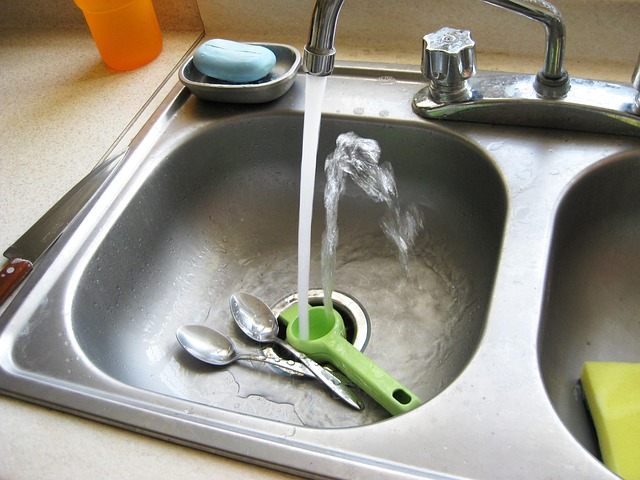
Before you consider same-day plumbing repair Denver, it’s worth trying some simple, cost-effective methods to unclog drains yourself:
- Baking Soda and Vinegar: This natural cleaner is highly effective. Pour 1/2 cup of baking soda down the drain followed by 1 cup of white vinegar. Let it sit for 15 minutes, then flush with hot water. The chemical reaction should dissolve any clogs.
- Boiling Water: Pouring boiling water down the drain can loosen and break up blockages. Be cautious when handling boiling water to avoid burns.
- Plunger: A standard plunger is a reliable tool for clearing clogs in sinks, toilets, and drains. Ensure you have the right size for the drain. Apply pressure down and then pull up in a steady motion.
- Avoid Chemical Drain Cleaners: While tempting due to their effectiveness, these cleaners can damage pipes over time and are harmful to the environment. Opt for natural remedies instead.
When to Call an Emergency Plumber Denver at Affordable Rates
While DIY methods can be helpful, there are times when a professional emergency plumber is necessary:
- Severe Clogging: If these home remedies don’t work, or if the clog is severe and recurrent, it’s time to call a pro.
- Water Damage: Leaks leading to water damage require immediate attention to prevent mold growth and structural issues.
- Unsure About Repairs: If you lack plumbing knowledge and are unsure how to fix an issue, seeking expert help is the safest option.
- Complex Projects: New fixture installations, repiping, or major repairs often need professional expertise and specialized tools.
Choosing Licensed Denver Plumbers Near Me: Tips for Quality Service
Hiring licensed plumbers ensures your project adheres to local building codes and safety standards. Here’s how to find reputable professionals:
- Check Licenses and Insurance: Verify the company holds valid licenses for plumbing work in Denver. They should also carry liability insurance to protect against any accidental damage.
- Online Reviews: Read customer reviews on Google, Yelp, or local business directories. Positive feedback from previous clients offers valuable insights into a company’s reliability and service quality.
- Referrals: Ask friends, neighbors, or colleagues for recommendations. Personal referrals can provide assurance about the company’s work ethic and pricing.
- Warranties: Reputable plumbers offer warranties on their labor and materials. This shows confidence in their workmanship and provides added peace of mind.
Same-Day Plumbing Repair Denver: The Benefits and Considerations
Same-day plumbing repair Denver is a convenient option for urgent issues, but it comes with some considerations:
Benefits:
- Quick Relief: It offers immediate solutions for leaks, clogs, or burst pipes, preventing further damage.
- Convenience: You don’t have to wait for appointments, making it ideal for unexpected emergencies.
- Expertise: Licensed plumbers can quickly diagnose and fix complex problems with minimal disruption to your daily routine.
Considerations:
- Cost: Same-day services might be more expensive due to the urgency and potential overtime charges.
- Availability: Not all companies offer 24/7 coverage, so ensure they provide same-day service in your area.
- Accuracy: While efficient, same-day repairs may not always resolve issues permanently, especially with complex problems.
Frequently Asked Questions (FAQs)
Q: How can I compare plumbing bills from different companies?
A: Compare bills by noting the detailed breakdown of labor and material costs, permit fees, and any additional charges. Check if each company provides transparent pricing without hidden surprises. Reading online reviews for each business can also give you insights into their billing practices and customer satisfaction.
Q: What should I do if I suspect a plumbing scam?
A: If you suspect a scam, immediately stop payment and contact local consumer protection agencies or the Better Business Bureau (BBB). Provide them with any documentation or evidence of suspicious activities. Legitimate companies follow ethical billing practices, so trust your instincts if something seems amiss.
Q: Are there ways to reduce plumbing repair costs?
A: Yes, regular maintenance can prevent costly repairs. Keep an eye on potential leaks, unclog drains regularly, and consider annual check-ups by professionals. Additionally, comparing quotes from multiple providers and negotiating rates for long-term contracts or emergency services can help you secure affordable plumbing services Denver CO.
Q: How can I prepare for a plumbing bill before a repair?
A: Before any repair, get a clear understanding of the issue at hand. Research common solutions online to have an idea of what might be involved. Request detailed estimates from plumbers and ask about pricing transparency. Being prepared will help you make informed decisions and negotiate effectively when receiving your plumbing bill.
Conclusion: Empowering Homeowners with Knowledge
Understanding affordable plumbing repair Denver bills is a crucial step in maintaining your home’s plumbing system. By decoding labor, material, and overhead costs, you gain the power to negotiate and choose services that align with your budget. Remember, while DIY methods are helpful for minor issues, complex repairs often require professional expertise. Choose licensed plumbers near you who offer transparent billing, same-day service when needed, and warranties on their work. With this knowledge in hand, you’re now equipped to tackle plumbing challenges with confidence and financial awareness.