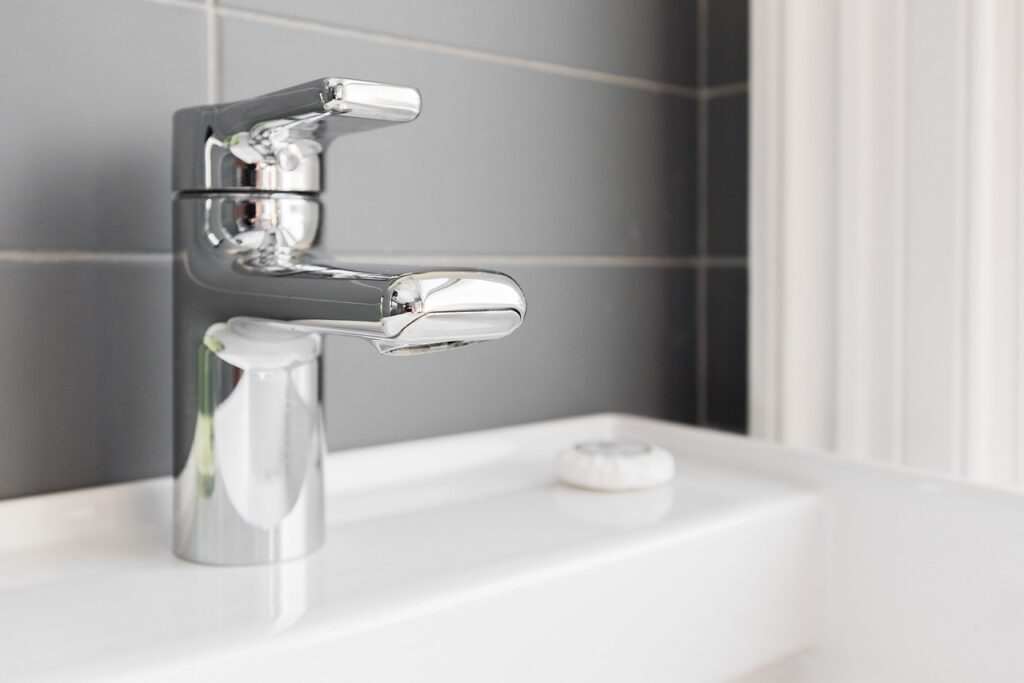
When it comes to affordable plumbing services Denver CO, many homeowners prioritize cost-effectiveness without considering environmental sustainability. However, it’s possible to have both—by choosing eco-friendly options that are as budget-conscious as they are kind to the planet. In this comprehensive guide, we’ll explore how to navigate emergency plumber Denver affordable rates while minimizing your environmental impact, focusing on everything from unclogging drains cheaply to finding licensed Denver plumbers near you who prioritize sustainability. Let’s dive in and uncover the green side of plumbing.
Understanding the Importance of Eco-Friendly Plumbing
In an era where climate change is at the forefront of global concerns, every household action contributes to our carbon footprint. Traditional plumbing practices often involve energy-intensive processes, chemical-laden products, and water waste—all of which take a toll on the environment. Affordable plumbing repair Denver shouldn’t come at the cost of ecological health.
By adopting eco-friendly habits and supporting green plumbing methods, we can:
- Reduce water consumption and energy usage.
- Minimize the use of toxic chemicals that harm aquatic life and soil.
- Support local ecosystems by promoting responsible water management.
- Contribute to a more sustainable future for our children.
Eco-Friendly Plumbing Solutions for Every Homeowner
1. High-Efficiency Fixtures and Appliances
One of the most effective ways to integrate eco-friendly practices into your plumbing system is by installing high-efficiency fixtures and appliances. These are designed to minimize water and energy use without compromising performance:
- Low-flow showerheads: Reduce hot water usage while still providing a satisfying shower experience. Look for models with a flow rate of 2.5 gallons per minute (GPM) or less.
- Water-efficient toilets: Modern low-flush toilets use significantly less water than traditional models, making them a significant upgrade for any bathroom.
- Energy-efficient washing machines and dishwashers: These appliances use advanced technology to clean your dishes and laundry with less water and electricity.
2. Drain Unclogging Without Chemicals
Traditional drain cleaners often contain harsh chemicals that can be harmful to both people and the environment. Luckily, there are numerous natural alternatives for how to unclog drains cheaply while keeping your plumbing eco-friendly:
- Baking soda and vinegar: Combine equal parts baking soda and white vinegar, then pour the mixture down your drain. The fizzing action will help break up clogs.
- Boiling water: Pouring a pot of boiling water down the drain can dissolve many types of blockages. Be careful when handling hot water.
- Plunger: A manual plunger is a safe and effective tool for clearing minor clogs without any chemicals.
- Natural drain cleaners: Look for eco-friendly, enzyme-based drain cleaners made from plant extracts that are safe for pipes and the environment.
3. Greywater Recycling Systems
Greywater recycling systems collect and treat water from sources like sinks, showers, and washing machines for reuse in non-potable applications, such as toilet flushing and irrigation. This innovative approach to plumbing not only reduces water consumption but also minimizes the energy needed for fresh water treatment:
- On-site treatment: These systems typically use a combination of filtration, disinfection, and sedimentation processes to ensure the recycled water meets appropriate quality standards.
- Drainage solutions: Greywater recycling can be integrated into existing plumbing systems or designed as part of new constructions, making it a versatile option for various properties.
4. Rainwater Harvesting for Outdoor Use
Collecting rainwater is an ancient practice that offers numerous environmental and economic benefits. By installing a rainwater harvesting system, you can:
- Reduce your reliance on municipal water supplies: This is especially beneficial in areas with limited water resources or fluctuating rates.
- Support local ecosystems: Rainwater provides a natural source of hydration for gardens, reducing the need for treated tap water.
- Lower your water bills: Harvested rainwater can be used for irrigation, car washing, and other outdoor chores, lowering your overall water consumption.
5. Energy-Efficient Water Heating
Water heaters are significant contributors to a home’s energy usage. Transitioning to energy-efficient models can substantially reduce your carbon footprint while saving on utility bills:
- Solar water heating: Harness the power of the sun to heat water with solar thermal systems, ideal for locations with ample sunlight year-round.
- Energy-efficient electric or gas heaters: Look for models with high Energy Star ratings to ensure optimal energy efficiency.
- Tankless water heaters: These appliances heat water on demand, eliminating the energy loss associated with keeping a tank of hot water warm.
Finding Licensed Denver Plumbers Who Prioritize Sustainability
When it comes time for same-day plumbing repair Denver, it’s crucial to choose licensed professionals who share your commitment to sustainability. Here’s how to find eco-conscious plumbers in your area:
- Online directories: Search for "eco-friendly plumbers near me" or "green plumbing services Denver" to discover local businesses that prioritize sustainable practices.
- Professional organizations: Check with trade associations and regulatory bodies to verify a plumber’s licensing and any certifications related to environmental sustainability.
- Word-of-mouth referrals: Ask friends, family, and neighbors for recommendations from plumbers who have demonstrated a commitment to eco-friendly services.
- Company policies: Review potential employers’ websites and service agreements to understand their approach to plumbing, waste management, and energy efficiency.
Cost Considerations for Eco-Friendly Plumbing
While initial investment costs for some eco-friendly plumbing solutions can be higher than traditional options, it’s essential to consider the long-term savings:
- High-efficiency fixtures: While more expensive upfront, these fixtures can save money on water and energy bills over time.
- Greywater and rainwater harvesting systems: The initial setup costs may vary, but these systems offer substantial returns on investment through reduced water bills.
- Energy-efficient appliances: Although pricier than standard models, energy-efficient washing machines, dishwashers, and water heaters can significantly lower utility expenses.
Frequently Asked Questions (FAQs)
Q: How do I know if my plumbing system needs an eco-friendly upgrade?
A: Signs that your plumbing system could benefit from green upgrades include high water bills, frequent clogs or leaks, and outdated fixtures. Regular maintenance and inspections by licensed plumbers can also help identify areas for improvement.
Q: Are eco-friendly plumbing solutions more difficult to install than traditional options?
A: Many eco-friendly products are designed for easy installation and require minimal adjustments to your existing plumbing system. However, complex systems like greywater recycling or rainwater harvesting may need professional assistance.
Q: Can I save money by adopting eco-friendly plumbing practices?
A: Absolutely! Eco-friendly plumbing can lead to significant long-term savings on water and energy bills. Additionally, many local governments offer rebates and incentives for installing water-efficient fixtures and systems.
Q: How often should I maintain my eco-friendly plumbing system?
A: Regular maintenance is crucial for any plumbing system, including eco-friendly options. Schedule routine inspections and cleaning to ensure optimal performance and longevity of your investments in green technology.
Q: Are there local regulations or incentives that can help with the cost of eco-friendly plumbing upgrades?
A: Many cities and municipalities offer rebates, tax credits, and other financial incentives for installing water-efficient fixtures and systems. Check with your local government to learn about available programs.
Conclusion
In conclusion, affordable plumbing repair Denver need not come at the expense of environmental health. By adopting eco-friendly practices, homeowners can reduce their carbon footprint while enjoying improved plumbing efficiency and cost savings. From high-efficiency fixtures and natural drain unclogging methods to greywater recycling and rainwater harvesting, there are numerous ways to make your plumbing system more sustainable.
When selecting licensed Denver plumbers near me who prioritize sustainability, remember that initial costs often translate to long-term benefits for both your wallet and the planet. Embrace the green side of plumbing, and contribute to a brighter, more eco-conscious future for our community and beyond.
References
- Drain, Plumbing & Septic Services | Elite Drains | Denver CO — www.elitedrains.org
- denver plumbers – craigslist — denver.craigslist.org